


When a dashboard light turns on or your car begins to run differently than it normally does, the first question that usually comes to mind is whether something serious is going on. In many cases, the next logical step is getting a diagnostic test completed at a trusted auto shop.
But what exactly does a diagnostic test tell you about your car? More importantly, how can understanding this information help you make better decisions about maintenance and repairs? Owens 30 North Auto Repair shop believes that knowledge is power for all vehicle owners, which is why we’re committed to keeping you informed and providing accurate diagnostics and professional guidance.
In this guide, you’ll learn what diagnostic tests can reveal, how technicians interpret the information, and what happens after the test is complete. By understanding these details, you’ll be better prepared to make informed decisions, address issues early, and keep your vehicle operating safely and efficiently. This clarity is invaluable whether you’re dealing with a check engine light, performance concerns, or preventative maintenance.
How Modern Diagnostic Systems Work
Modern automotive diagnostics rely on a network of sensors, modules, and onboard computers that constantly interact with one another. While you drive, your vehicle monitors air intake, exhaust gases, battery voltage, engine timing, fuel trim levels, and dozens of other functions. All of this data flows into the OBD-II (On-Board Diagnostics II) system, which became standard in 1996 and remains a crucial tool for technicians today.
When something falls outside the expected range—such as a misfire or communication failure between modules—the system logs a fault. Sometimes this fault triggers a warning light on your dashboard, such as the check engine light. Other times, the issue may remain hidden without any visible symptoms, making diagnostics essential for early detection.
During a professional diagnostic test, a technician connects a scan tool to your vehicle’s OBD-II port. This tool communicates with the car’s computer and retrieves stored codes, but it also accesses real-time data. While many consumers assume the diagnostic process is just about reading codes, the real value comes from understanding how the vehicle is behaving moment-to-moment.
Technicians analyze this data to identify patterns, inconsistencies, voltage fluctuations, and system interactions. This deeper analysis helps pinpoint root causes and prevent misdiagnosis. Instead of guessing at what might be wrong, modern diagnostics enable precise, informed troubleshooting. The more advanced your vehicle, the more essential this level of diagnostic insight becomes.
What a Diagnostic Test Can Detect
A diagnostic test can detect a wide range of issues that affect your vehicle’s performance, safety, fuel economy, and emissions. These tests reveal both active problems and early-stage issues that haven’t yet produced noticeable symptoms. This makes diagnostics useful for everyday drivers, especially those who want to avoid unexpected and costly repairs.
One of the most common areas that diagnostics target is the engine. Diagnostic testing can identify misfires, improper fuel delivery, timing irregularities, and failing components such as spark plugs, sensors, or ignition coils. If your car hesitates during acceleration or idles roughly, diagnostics can uncover the cause with precision.
Transmission problems are also commonly flagged. If your car is shifting harshly or operating outside its normal parameters, diagnostics can detect incorrect pressure readings, internal sensor faults, or electronic communication errors. Catching these issues early helps prevent severe transmission damage.
Diagnostics also monitor emissions-related systems. Your vehicle must maintain a specific emissions standard, and issues such as catalytic converter inefficiency, oxygen sensor failure, or exhaust leaks can be identified quickly. Even simple issues—like a loose gas cap—can trigger emissions codes.
Beyond the powertrain, diagnostic tests can detect problems in ABS systems, airbag modules, traction control systems, electronic throttle bodies, and more. Because today’s vehicles are heavily computer-driven, diagnostics provide a clear and accurate snapshot of a car’s internal operations.
Understanding Diagnostic Trouble Codes (DTCs)
Diagnostic Trouble Codes (DTCs) are the language your vehicle uses to report issues. These codes are alphanumeric and follow a standardized structure. While they help identify the general area of a problem, they don’t directly state the exact repair needed. Understanding this distinction is critical for accurate interpretation.
Each DTC begins with a letter.
- P indicates powertrain issues (engine, transmission).
- B refers to body systems (such as airbags or electrical components).
- C identifies chassis-related problems (like ABS or steering).
- U signals communication faults between control modules.
The numbers that follow each letter narrow down the system and fault type. For example, a P0302 code indicates a misfire in cylinder 2, while P0174 signals that the engine is running too lean on bank 2. These codes help technicians understand where to begin their investigation.
However, it’s essential to remember that a code does not always mean a specific part is bad. A faulty oxygen sensor code could result from a sensor problem, but it could also stem from an exhaust leak, fuel mixture imbalance, or failing catalytic converter. This is why professional interpretation is crucial.
Freeze-frame data stored with each code captures the moment the fault occurred—noting engine temperature, load, RPM, and other conditions. This gives technicians context, helping them differentiate between a one-time anomaly and an ongoing problem.
Understanding DTCs empowers you to ask informed questions and ensures you receive accurate, justified repair recommendations.
The Role of Live Data in Diagnostics
While DTCs are important, live data is often the real key to understanding what’s happening inside your vehicle. Live data shows what your sensors and modules are doing in real-time while the engine is running. This information allows technicians to identify subtle issues that may not trigger a code or may occur only under certain driving conditions.
For example, if your vehicle hesitates or stumbles under acceleration, live data can show whether the throttle position sensor is responding correctly, whether timing adjustments are occurring at the right moments, or whether the fuel system is reacting to changing demands. Without this real-time insight, intermittent problems would be much harder to identify.
Live data also reveals whether sensors are reporting accurate values. A coolant temperature sensor might not trigger a code, but its readings may fluctuate abnormally. This could indicate a failing sensor that interferes with fuel mixture calculations, leading to poor performance or reduced fuel economy.
Another advantage of live data is verification. After repairs, technicians use real-time readings to ensure everything is functioning correctly and within manufacturer specifications. This prevents unnecessary return visits and provides confidence that the repair was successful.
What Happens After a Diagnostic Test?
Once a diagnostic test is complete, the technician reviews all codes, data patterns, and system readings to begin the process of narrowing down the root cause. Diagnostics provide direction, but confirming the exact issue often requires additional testing and inspection.
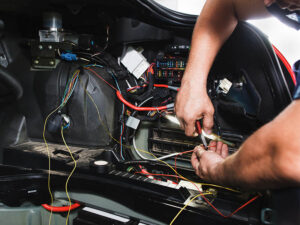
Depending on the problem, the technician may check wiring harnesses, inspect components visually, test electrical circuits, or perform mechanical evaluations. This step ensures that the repair recommendation is based on confirmed evidence rather than assumptions.
After identifying the cause, the technician explains the findings. You should receive a clear breakdown of:
- What triggered the fault,
- Why it occurred,
- And what repairs are needed.
A trustworthy shop will also prioritize repairs, letting you know what is urgent and what can wait. This transparency helps you plan your budget and prevents unnecessary work.
Once repairs are approved and completed, the technician clears the system codes and performs a follow-up diagnostic scan. This step verifies that the issue has been addressed fully. A road test may also be performed to confirm the vehicle is operating correctly under real conditions.
You’ll then receive a report summarizing the diagnostics, the repairs made, and any maintenance recommendations. This documentation is useful for future reference and helps track your vehicle’s health over time.
Count on Owens 30 North Auto Repair for Honest Diagnostics
Because diagnostics rely heavily on both advanced technology and expert interpretation, choosing the right repair shop is essential. Owens 30 North Auto Repair provides the level of knowledge, precision, and transparency you need. Our team uses cutting-edge diagnostic tools and years of hands-on expertise to accurately interpret your vehicle’s data and recommend only the repairs that truly matter.
Whether you’re facing a check engine light, hearing strange sounds, noticing performance issues, or seeking preventative maintenance, you can count on Owens 30 North Auto Repair to provide honest, reliable answers. Schedule your diagnostic test today and experience the confidence that comes with professional, trustworthy automotive care.