


When you turn the key or press the start button, your car instantly comes to life. Dashboard lights flicker on, the engine hums, and your vehicle is ready to go. However, behind that simple start-up lies a complex electrical system comprised of three main components: the battery, starter, and alternator. Each plays a vital role in ensuring your vehicle starts reliably and runs efficiently every time you hit the road.
Our technicians at Owens 30 North Auto Repair deal with these components every day in our shop, making us experts on how they work together. Gaining an understanding of this relationship will not only help you recognize early warning signs of trouble but also empower you to make informed maintenance decisions.
In this article, we’ll break down how each part functions, the signs of wear to look out for, and practical maintenance tips. Whether you’re dealing with a slow crank, flickering lights, or a car that won’t start, knowing the basics of your electrical system can save you time, money, and frustration.
The Battery: Your Vehicle’s Energy Source
The battery is the foundation of your vehicle’s electrical system. Its primary role is to provide the initial jolt of power needed to start the engine and supply electricity to the vehicle’s accessories when the engine isn’t running. Without a properly functioning battery, your car simply won’t start.
A typical car battery operates on a 12-volt system, storing electrical energy in chemical form. When you turn the key, the battery sends power to the starter motor and ignition system, enabling the engine to fire up. Once the engine is running, the alternator takes over, keeping the battery charged and powering the vehicle’s electrical systems.
Over time, factors like extreme temperatures, corrosion, and age can weaken a battery’s ability to hold a charge. Common warning signs include dim headlights, slow cranking during startup, or a dashboard battery warning light. Most car batteries last between 3 to 5 years, but that lifespan can vary depending on driving habits and climate conditions.
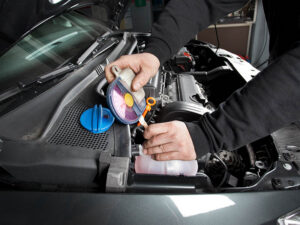
Regular battery inspections can prevent unexpected breakdowns. Likewise, simple maintenance performed by an auto technician, like cleaning the terminals, checking voltage levels, and ensuring secure connections, can go a long way. However, if your battery consistently loses charge, it may indicate an underlying issue within your charging system, rather than just the battery itself.
The Starter: Igniting the Engine
While the battery supplies the power, the starter is the component that actually gets your engine running. The starter is a small but powerful electric motor. When you turn your key or push the start button, electrical current flows from the battery to the starter motor.
The starter then engages the engine’s flywheel, turning the crankshaft and beginning the combustion process. Once the engine starts, the starter disengages — its job is done until the next ignition cycle.
Signs of a failing starter often include a clicking noise when turning the key or a complete lack of engine response. It’s not uncommon for the starter to mimic battery issues; however, unlike a dead battery, a faulty starter won’t benefit from a jump start.
Over time, starters wear down due to repeated use and exposure to heat and vibration. Maintaining a strong electrical connection between the battery and starter, as well as ensuring the alternator is charging correctly, helps prolong its lifespan.
If your car cranks inconsistently or makes grinding noises during startup, it’s best to have your electrical system inspected promptly.
The Alternator: Keeping Power Flowing
Once the engine is running, the alternator becomes the power source for your vehicle’s electrical systems. It continuously generates electricity to run essential components like headlights, air conditioning, power windows, and the radio — all while recharging the battery.
The alternator converts mechanical energy from the engine into electrical energy using electromagnetic induction. It’s connected to the engine by a serpentine belt, also known as the drive belt. As the engine runs, the belt spins the alternator’s rotor, producing alternating current (AC) that’s converted to direct current (DC) for use by your vehicle’s systems.
If your alternator begins to fail, your vehicle may experience flickering headlights or a dead battery. Your car’s dashboard warning lights such as the “ALT” or “battery” indicator, may even come on. In severe cases, your car may even stall while driving — a clear sign that electrical power is no longer being properly generated.
To maintain alternator performance, schedule periodic inspections to ensure your drive belt is in good condition. A worn or loose belt can cause the alternator to undercharge the battery. Regular system voltage checks can also reveal early signs of alternator trouble before it leads to a complete failure.
Common Electrical System Problems and Troubleshooting Tips
Car electrical problems can stem from a variety of sources — a dead battery, failing alternator, corroded connections, or even faulty wiring. Recognizing the early signs can help prevent breakdowns and costly repairs.
Common symptoms include:
- Dim or flickering lights: Often indicate a weak alternator or a poor electrical connection.
- Slow engine cranking: May suggest a weak battery or failing starter motor.
- Clicking sounds during startup: Typically point to a malfunctioning starter solenoid or low voltage.
- Battery warning light: Signals potential charging issues that could involve the alternator or voltage regulator.
If your vehicle won’t start, a jump start can help determine the cause. For example, a car that starts, but then quickly dies, may have an alternator issue. While a car that won’t start at all after a jump likely has a battery issue.
Preventive Maintenance for a Reliable Electrical System
Preventing electrical failures starts with routine maintenance and awareness. While minor maintenance tasks are manageable for most, it’s often best to turn to the professionals for tasks you’re not familiar with.
Your car’s battery should be checked twice a year at an auto shop. Many shops offer free battery testing, which measures voltage and cold cranking amps (CCA) and can give you a good idea if there are any issues going on. It’s also important to have the terminals on your battery cleaned regularly to keep them free of corrosion.
You should also have the drive belt that powers the alternator inspected for cracks, glazing, or fraying. A worn belt can slip and reduce alternator output, so ensuring that it’s in good, working order minimizes the risk of your battery being undercharged.
It’s also important to consider seasonal maintenance. Cold weather increases the demand on your battery and starter, while extreme heat can accelerate battery fluid evaporation. Scheduling regular inspections before seasonal temperature changes can help prevent unexpected breakdowns.
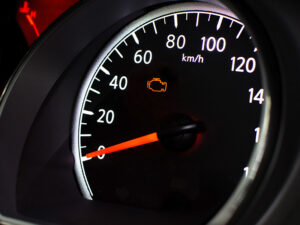
Finally, never ignore dashboard warning lights. These indicators are designed to alert you to electrical system issues before they lead to failure. Timely diagnostics and repairs can extend the lifespan of all three components, saving you time and money.
Trust Owens 30 North Auto Repair for Expert Electrical Service
Your car’s electrical system is the backbone of its reliability. The battery, starter, and alternator each play a crucial role — working together to ensure smooth startups, consistent power delivery, and dependable performance. When any of these components fail, your vehicle’s operation can be compromised, leading to frustrating and costly breakdowns.
Owens 30 North Auto Repair takes the guesswork out of automotive electrical issues. Our technicians use advanced diagnostic tools to identify and repair problems with precision, whether it’s a weak battery, a failing alternator, or a worn-out starter. We provide transparent service recommendations and high-quality parts to keep your vehicle running strong.
If you’ve noticed dim lights, slow starts, or battery warning lights, don’t wait until your car leaves you stranded. Bring your vehicle to Owens 30 North Auto Repair. We’re your one-stop destination for comprehensive auto repair and maintenance.
Schedule your appointment today and be confident that your car’s power system is in expert hands.