


Regular auto maintenance is one of the most effective ways to save money and extend the life of your vehicle. While it may seem like an added expense, routine service actually helps you avoid costly repairs, improve performance, and keep your vehicle running reliably for years.
Many drivers delay maintenance because their vehicle appears to be running fine. However, most mechanical issues develop gradually, not suddenly. Components wear down over time, fluids lose effectiveness, and small problems build into larger ones when left unaddressed. By the time symptoms become noticeable, repairs are often more expensive and more complex than they need to be.
At Owens 30 North Auto Repair, we see the difference regular maintenance makes every day. Vehicles that receive consistent care last longer, perform better, and cost less to own over time. Understanding how maintenance works in your favor helps you make smarter decisions and protect your investment.
The Real Cost of Skipping Maintenance
It might seem like you are saving money when you delay service, but what you are really doing is postponing costs and increasing their impact. Routine maintenance is predictable and manageable. Major repairs are not.
Every system in your vehicle depends on proper care. When maintenance is skipped, components begin to operate under stress. Oil loses its ability to lubricate, fluids degrade, and small issues go unnoticed. These changes do not cause immediate failure, but they accelerate wear across multiple systems.
What Delayed Maintenance Leads To
When service is consistently postponed, you increase the likelihood of:
- Higher repair costs due to compounded damage
- Reduced fuel efficiency from inefficient systems
- Shortened lifespan of major components
- Unexpected breakdowns that disrupt your routine
This is where costs begin to stack up. A simple service turns into a larger repair because the original issue was never addressed.
Maintenance should be viewed as cost control, not an expense. When you stay consistent, you avoid financial surprises and keep your vehicle operating the way it was designed to.
Why Oil Changes Matter
Your engine depends on clean oil to function properly. Oil reduces friction, manages heat, and protects internal components from wear. Without proper lubrication, your engine would not last long under normal driving conditions.
Over time, oil breaks down and becomes contaminated. As it degrades, it loses its ability to protect your engine. Continuing to drive under these conditions increases friction and heat, which accelerates wear and reduces engine life.
Driving habits also play a role in how often you should change your oil. Frequent short trips, heavy traffic, and extreme temperatures all place additional strain on your engine. These conditions can shorten oil life and require more frequent service.
Key Benefits of Regular Oil Changes
- Reduces engine wear and internal damage
- Improves fuel efficiency over time
- Helps prevent overheating and performance loss
- Allows early detection of leaks or worn components
Regular oil changes are one of the simplest and most effective ways to protect your vehicle and avoid major repairs.
Tire Maintenance and Everyday Savings
Your tires directly affect safety, fuel efficiency, and overall driving performance. Despite their importance, they are often overlooked until a problem becomes obvious.
Uneven tire wear is one of the most common issues drivers face. Without regular rotation, certain tires wear faster due to weight distribution and driving habits. This leads to premature replacement and unnecessary expense.
Alignment is another factor that often goes unnoticed. A slight pull in the steering wheel may not seem like a major issue, but it can indicate misalignment. Over time, this causes uneven wear and reduces fuel efficiency.
Proper tire pressure is equally important. Underinflated tires create more resistance on the road, which lowers gas mileage and increases wear. Overinflated tires reduce traction and wear unevenly.
Simple Habits That Extend Tire Life
- Check tire pressure regularly
- Rotate tires every 5,000 to 7,500 miles
- Address alignment issues early
These small steps improve safety, increase efficiency, and help you get the most value out of your tires.
Brake Maintenance and Preventing Costly Repairs
Your braking system is one of the most critical safety features in your vehicle. Keeping it in good condition not only protects you but also prevents more expensive repairs.
Brake pads are designed to wear down over time. When they become too thin, they lose effectiveness and begin to impact other components. If ignored, worn pads can damage the rotors, significantly increasing repair costs.
You will often notice warning signs before serious damage occurs. Squeaking, grinding, or reduced stopping power are all indicators that your brakes need attention. These symptoms should never be ignored.
Routine brake inspections allow technicians to monitor wear and recommend service at the right time. This prevents additional damage and ensures your braking system remains reliable.
Staying ahead of brake maintenance helps you avoid larger repairs and keeps your vehicle safe on the road.
The Importance of Fluid Services
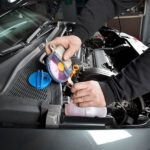
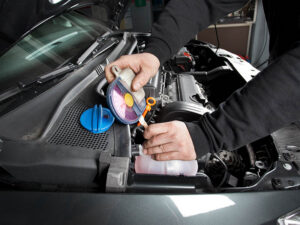
Fluids play a critical role in keeping your vehicle operating smoothly. Each system relies on clean, properly maintained fluid to function efficiently.
Transmission fluid ensures smooth shifting and protects internal components. Coolant regulates engine temperature and prevents overheating. Brake fluid maintains consistent braking performance, while power steering fluid allows for responsive handling.
Over time, these fluids break down and lose their effectiveness. Some can even become contaminated or corrosive, which can damage internal components if not replaced.
Key Fluids You Should Not Ignore
- Transmission fluid
- Coolant
- Brake fluid
- Power steering fluid
Keeping these fluids in good condition helps protect major systems and prevents costly failures. Regular service ensures your vehicle continues to perform reliably.
Filters, Airflow, and Engine Efficiency
Filters may not get much attention, but they play an important role in your vehicle’s performance and efficiency. Clean filters ensure proper airflow and protect key systems from contamination.
The engine air filter allows clean air to enter the engine. When it becomes clogged, airflow is restricted, which reduces performance and fuel efficiency. Over time, this can place additional strain on engine components.
The cabin air filter affects the air inside your vehicle. A dirty filter reduces airflow and allows dust and allergens to circulate. Replacing it improves comfort and air quality.
Fuel filters, depending on your vehicle, help prevent contaminants from entering the fuel system. When clogged, they can reduce efficiency and cause performance issues.
Replacing filters at recommended intervals is a simple and cost-effective way to maintain performance and prevent larger problems.
How Maintenance Extends Vehicle Lifespan
Consistent maintenance does more than prevent breakdowns. It directly impacts how long your vehicle lasts and how well it performs over time.
When systems are properly maintained, they operate within their intended limits. This reduces wear and prevents the chain reaction of failures that can occur when one issue affects another.
A well-maintained vehicle is also more reliable. You are less likely to experience unexpected breakdowns, which means fewer disruptions to your daily routine.
Long-Term Benefits of Staying Consistent
- Lower overall repair costs
- Improved reliability and performance
- Better fuel efficiency
- Higher resale value
Taking a proactive approach allows you to maximize your investment and keep your vehicle running longer with fewer issues.
Take Control of Your Vehicle’s Lifespan and Costs Today
Regular maintenance is one of the most effective ways to save money and extend the life of your vehicle. Staying consistent with oil changes, tire care, brake service, fluid maintenance, and filter replacements helps prevent small issues from turning into major repairs.
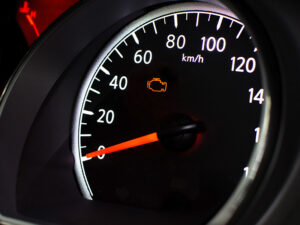
You don’t need to wait for a warning light or a breakdown to take action. When you stay ahead of maintenance, you stay in control of your costs, your schedule, and your vehicle’s performance.
Our team at Owens 30 North Auto Repair is here to help you do exactly that. We focus on preventive care, thorough inspections, and honest recommendations so you can make confident decisions about your vehicle.
If you want to reduce long-term repair costs, improve reliability, and keep your vehicle on the road for years to come, now is the time to act. Schedule your next maintenance appointment today and experience the difference that consistent, professional care can make.