

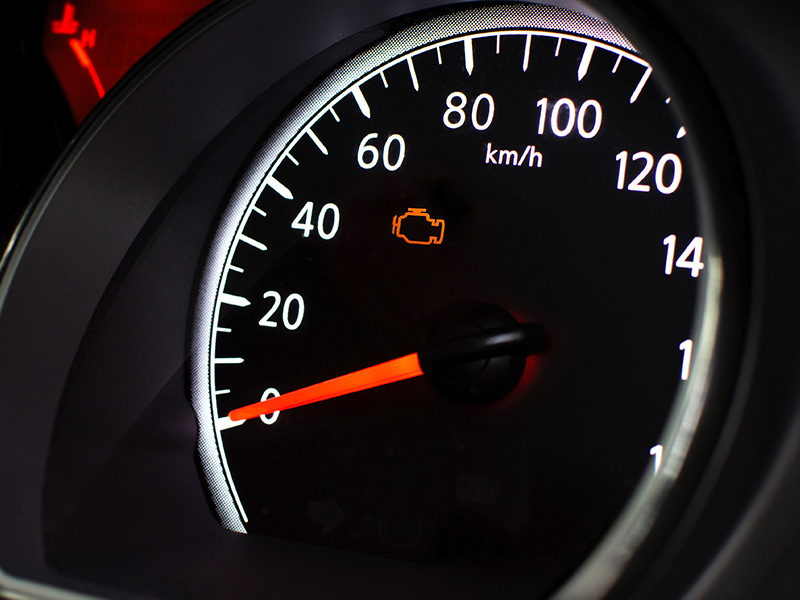
Your check engine light isn’t a warning you should ignore. Even if your vehicle seems to be running normally, that small dashboard light often signals a problem that can become much more expensive if left unresolved.
Owens 30 North Auto Repair is committed to helping drivers make informed decisions by accurately identifying vehicle problems and providing dependable repair solutions. That’s why we’ve put together this blog to help you understand what your check engine light means and know when to seek professional auto repair services.
Understanding What Your Check Engine Light Is Telling You
Your vehicle’s check engine light is connected to the onboard diagnostic system, commonly known as the OBD-II system. This advanced computer continuously monitors critical systems, including the engine, ignition, fuel delivery, emissions, transmission, and air intake. When one of those systems detects a problem outside the manufacturer’s operating parameters, it stores a diagnostic trouble code and illuminates the warning light on your dashboard.
Many drivers assume the check engine light only comes on when something is seriously wrong. In reality, it can be triggered by a wide range of issues, from a loose gas cap to a failing catalytic converter. While some problems are relatively minor, others can quickly become expensive if they’re ignored. The warning light doesn’t tell you exactly what’s wrong. Instead, it lets you know your vehicle needs professional attention.
Knowing the difference between these warnings helps you respond appropriately.
- Steady check engine light: Usually indicates a problem that should be diagnosed soon.
- Flashing check engine light: Often signals an active engine misfire requiring immediate attention.
Modern vehicles often compensate for developing mechanical problems, allowing them to continue running while hidden damage progresses. That’s why scheduling professional diagnostics early is one of the smartest decisions you can make.
Why Delaying Repairs Usually Costs More
When your vehicle still seems to drive normally, it’s easy to convince yourself the warning can wait. Unfortunately, postponing repairs often allows a relatively inexpensive issue to become a much larger problem. Since every major vehicle system works together, one failing component frequently creates additional wear on others.
For example, worn spark plugs can cause repeated engine misfires. Those misfires allow unburned fuel to enter the exhaust system, where it overheats and damages the catalytic converter. Replacing spark plugs is routine maintenance. Replacing a catalytic converter is considerably more expensive.
Some of the most common causes include:
- Loose or damaged gas cap
- Failing oxygen sensor
- Worn spark plugs
- Faulty ignition coils
- Dirty mass airflow sensor
- Vacuum leaks
- Fuel injector problems
- Catalytic converter issues
- Evaporative emissions system leaks
Addressing these problems promptly helps prevent additional damage, reduces repair costs, and keeps your vehicle dependable. Waiting rarely saves money. More often, it simply allows the repair bill to grow.
Hidden Performance Problems Can Affect Your Daily Drive
One reason many drivers ignore the check engine light is that they don’t immediately notice a significant change in performance. However, many engine-related problems develop gradually, making them easy to overlook until they noticeably affect how your vehicle drives.
A failing oxygen sensor may reduce fuel economy long before you experience rough driving. Likewise, a dirty mass airflow sensor can slowly reduce engine efficiency, causing sluggish acceleration and rough idling over time. Fuel delivery issues, worn ignition components, and emissions system failures can also decrease performance while remaining relatively subtle during everyday driving.
You may notice symptoms such as:
- Reduced fuel economy
- Slow acceleration
- Rough idle
- Engine hesitation
- Hard starting
- Increased exhaust emissions
- Unusual engine vibration
These warning signs often accompany an illuminated check engine light and shouldn’t be dismissed as normal wear and tear. Having your vehicle inspected early helps restore fuel efficiency, improve performance, reduce unnecessary engine wear, and extend the lifespan of critical components.
Ignoring the Warning Could Create Safety Concerns
Although many check engine light issues begin as mechanical problems, some eventually become legitimate safety concerns. Your vehicle depends on properly functioning engine, fuel, and transmission systems to provide predictable performance in changing traffic conditions.
Imagine merging onto a busy highway only to discover your engine hesitates because it isn’t producing full power. Fuel delivery problems can also cause sudden power loss while climbing hills or passing another vehicle. Transmission-related faults may create delayed or harsh shifting, making your vehicle less responsive when you need it most.
Schedule professional diagnostics immediately if you notice any of these symptoms:
- Flashing check engine light
- Burning or fuel odors
- Excessive exhaust smoke
- Significant loss of engine power
- Loud knocking noises
- Severe vibration
- Frequent stalling
Ignoring these warning signs increases the risk of a roadside breakdown while making repairs more expensive. Addressing problems promptly helps protect both your safety and your vehicle’s long-term reliability.
Why Professional Diagnostics Are Worth the Investment
Many drivers rely on inexpensive code readers or free code scans from auto parts stores. While these tools can retrieve diagnostic trouble codes, they don’t provide a complete diagnosis. A trouble code simply identifies the system that detected an abnormal condition. It doesn’t tell you which part has failed or why the problem occurred.
For example, a code indicating a lean air-fuel mixture could be caused by a vacuum leak, failing fuel pump, dirty mass airflow sensor, clogged injector, or faulty oxygen sensor. Replacing the wrong component wastes time and money while leaving the real problem unresolved.
Professional diagnostics typically include:
- Retrieving stored diagnostic trouble codes.
- Reviewing live sensor data.
- Inspecting related mechanical and electrical components.
- Performing additional tests to verify the root cause.
- Recommending only the repairs your vehicle actually needs.
This systematic approach eliminates guesswork and helps ensure repairs are completed correctly the first time. Accurate diagnostics also reduce repeat visits because technicians address the source of the problem instead of simply treating the symptoms.
Routine Maintenance Helps Prevent Future Problems
While not every check engine light can be prevented, regular maintenance significantly reduces your chances of unexpected repairs. Staying current on scheduled service helps identify worn components before they trigger warning lights or lead to larger mechanical failures.
Simple maintenance items such as replacing spark plugs, changing air filters, checking fluid levels, and following your manufacturer’s recommended service intervals all contribute to better engine performance and reliability. Routine inspections also allow technicians to spot developing issues before they become costly repairs.
Preventive maintenance offers several long-term benefits:
- Better fuel economy
- Improved engine performance
- Lower repair costs over time
- Reduced risk of unexpected breakdowns
- Longer vehicle lifespan
- Greater peace of mind behind the wheel
Investing in regular maintenance is almost always less expensive than paying for major repairs caused by neglect. It also helps preserve your vehicle’s value and keeps it operating efficiently for years to come.
Schedule Expert Check Engine Light Diagnostics Today
Ignoring your check engine light can lead to higher repair costs, reduced performance, lower fuel efficiency, and unexpected breakdowns. Having the problem diagnosed early gives you the best chance to avoid more extensive damage and costly repairs.
Our team at Owens 30 North Auto Repair uses advanced diagnostic equipment to identify what’s causing your check engine light and recommend the repairs your vehicle actually needs. Whether the issue is minor or more complex, we’re here to provide accurate diagnostics, honest advice, and quality auto repair.
Contact us today to schedule your auto appointment and get your vehicle back on the road with confidence.