



Your vehicle’s braking system is one of its most important safety features, yet brake pads are often overlooked until a serious issue appears. Brake pads are designed to absorb friction and protect more expensive components like rotors and calipers. When they wear beyond safe limits, that protection disappears. What could have been a simple maintenance service can quickly escalate into a full brake system repair.
At Owens 30 North Auto Repair, we regularly work with drivers who are surprised by how much damage worn brake pads have caused behind the scenes. That’s why, along with quality auto repair services, we focus on helping our customers understand what’s happening with their vehicles and why timely brake service matters. When you know how worn brake pads lead to costly repairs, you can make informed decisions that protect your safety, your vehicle, and your budget.
How Brake Pads Work and Why Wear Is Unavoidable
Every time you apply the brakes, your brake pads press against the brake rotors to slow or stop your vehicle. This friction is essential, but it also means brake pads gradually wear down with use. Brake pads are intentionally designed to wear out before other braking components, making them a routine maintenance item rather than a permanent part.
Your driving habits significantly influence how quickly brake pads wear. Frequent stop-and-go traffic, aggressive braking, towing heavy loads, and driving in hilly terrain all accelerate wear. The type of brake pad material also plays a role. Organic pads tend to wear faster but operate quietly, while ceramic and semi-metallic pads generally last longer and perform better under high heat.
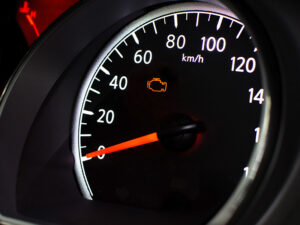
As brake pads thin, their ability to manage heat and maintain consistent braking pressure decreases. Although many vehicles include brake wear indicators or dashboard warnings, these systems are not always reliable. You cannot rely solely on alerts to protect your braking system. Regular inspections remain the most effective way to catch brake pad wear early and prevent damage to surrounding components.
What Happens When Brake Pads Wear Too Thin
Once brake pads wear beyond their recommended thickness, braking performance begins to decline. You may notice that your vehicle takes longer to stop or that braking feels less responsive. These changes often develop gradually, making them easy to overlook during daily driving.
When brake pads are fully worn, the metal backing plate contacts the brake rotor directly. This metal-on-metal contact generates extreme heat and friction, accelerating wear throughout the braking system. At this stage, damage is no longer limited to the brake pads alone. Rotors, calipers, and brake fluid can all be affected.
Grinding noises, vibrations through the brake pedal, or a burning smell after driving are common warning signs of advanced brake wear. Continuing to drive in this condition significantly increases repair costs and compromises safety. Addressing brake pad wear early prevents this cascade of damage and keeps maintenance simple rather than extensive.
How Worn Brake Pads Damage Brake Rotors
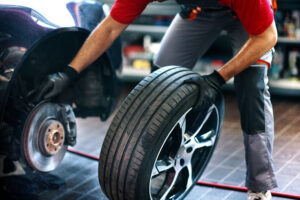
Brake rotors are engineered to work in tandem with healthy brake pads. When pads wear too thin, rotors lose their protective buffer. The result is scoring, grooves, and uneven surfaces that reduce braking efficiency and create vibrations during braking.
Heat buildup is another major concern. Without enough pad material to absorb friction, temperatures rise rapidly. Excessive heat can warp rotors, leading to pulsation in the brake pedal and inconsistent stopping power. In many cases, warped or severely damaged rotors cannot be resurfaced and must be replaced entirely.
Common Rotor Issues Caused by Worn Brake Pads
- Deep grooves or scoring on the rotor surface
- Rotor warping due to excessive heat
- Cracks from prolonged metal-to-metal contact
- Reduced braking efficiency and pedal vibration
Rotor replacement adds significant cost to brake repairs. Preventing rotor damage by replacing worn brake pads on time is one of the most effective ways to reduce long-term maintenance expenses and preserve braking performance.
The Impact of Worn Brake Pads on Calipers and Brake Fluid
Brake calipers apply pressure to the brake pads, ensuring even contact with the rotors. When brake pads wear unevenly or generate excessive heat, calipers are forced to operate outside their normal range. Over time, this strain can cause calipers to stick or seize.
A sticking caliper results in uneven braking, pulling to one side, and accelerated wear of new brake pads and rotors. In severe cases, caliper failure can significantly reduce braking ability. Excessive heat from worn brake pads also affects brake fluid, which is designed to function within a specific temperature range.
When brake fluid overheats, it can thin out or introduce air into the system. This often causes a soft or spongy brake pedal and reduces stopping power. Caliper and fluid issues rarely occur in isolation and are frequently linked to neglected brake pad maintenance. Timely pad replacement helps protect these critical components and maintain consistent braking performance.
Safety Risks You Face When Driving on Worn Brake Pads
Worn brake pads directly affect your ability to stop safely. Reduced stopping power increases the risk of rear-end collisions and makes emergency braking situations more dangerous. Even a slight increase in stopping distance can have serious consequences in heavy traffic or poor weather conditions.
Unpredictable braking behavior is another concern. Your vehicle may pull to one side, vibrate under braking, or respond inconsistently when you press the pedal. These issues reduce control and confidence behind the wheel. In extreme situations, overheated brakes may temporarily lose effectiveness, a condition known as brake fade.
How Worn Brake Pads Compromise Safety
- Increased stopping distances
- Delayed or inconsistent braking response
- Brake fade during heavy or downhill driving
- Higher accident risk in emergency situations
Ignoring these risks places you, your passengers, and other drivers in danger. Maintaining healthy brake pads ensures predictable braking performance and helps keep everyone on the road safer.
The Financial Consequences of Delaying Brake Pad Replacement
Delaying brake pad replacement may feel like a way to save money, but it often leads to much higher expenses over time. Brake pads are among the least expensive components in the braking system. Once additional parts are damaged, repair costs rise quickly.
Beyond the brake system itself, uneven braking forces can contribute to premature tire wear and added strain on suspension components. Vehicle downtime, missed work, and the inconvenience of alternative transportation add hidden costs that many drivers do not anticipate.
Repairs That Commonly Result From Ignoring Worn Brake Pads
- Brake rotor replacement
- Brake caliper repair or replacement
- Brake fluid flushing due to heat damage
- Uneven tire wear requiring early replacement
When all factors are considered, proactive brake maintenance is far more cost-effective than waiting for a failure. Timely brake pad replacement protects both your vehicle and your long-term budget.
Warning Signs That Tell You It’s Time for Brake Service
Recognizing early warning signs allows you to address brake issues before they escalate. Many symptoms develop gradually, which makes regular inspections especially important for maintaining brake health.
Common Signs Your Brake Pads Are Worn
- Squealing or grinding noises when braking
- Vibration or pulsation in the brake pedal
- Longer stopping distances
- Brake warning light illuminated
- Burning smell after driving
Visual inspections may also reveal thin brake pads, uneven wear, or discolored rotors. Most manufacturers recommend brake inspections every 10,000 to 15,000 miles, though driving habits and conditions may require more frequent checks. Acting on early signs keeps repairs straightforward and affordable.
Protect Your Safety and Your Budget With Professional Brake Care
Worn brake pads may seem like a minor issue, but their impact can be extensive. From damaged rotors and failing calipers to increased safety risks and higher repair costs, neglected brake pad maintenance often leads to preventable problems. Understanding how brake pads wear and recognizing early warning signs allows you to take control of your vehicle’s health.
Our team takes a proactive approach to brake care. We focus on thorough inspections, clear communication, and honest recommendations that prioritize safety and long-term value. Whether you need routine brake pad replacement or more advanced brake system repairs, our experienced technicians are prepared to help.
If you have noticed unusual noises, vibrations, or changes in braking performance, now is the time to act. Schedule a brake inspection with Owens 30 North Auto Repair today. Addressing brake pad wear early helps you avoid costly repairs, improves vehicle safety, and gives you confidence every time you get behind the wheel.