

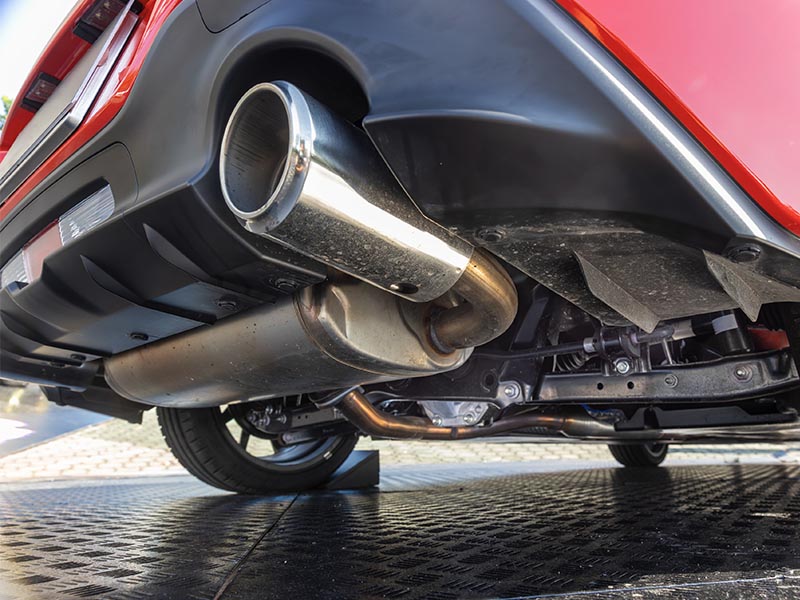
Your car shouldn’t suddenly sound louder, smell like exhaust fumes, or struggle to accelerate. If you’ve noticed any of these changes, you could have an exhaust leak. While some exhaust problems develop gradually, ignoring them can affect your vehicle’s performance, fuel efficiency, and safety.
Knowing how to spot an exhaust leak can help you catch warning signs before the damage worsens. From unusual engine noises to reduced gas mileage, your vehicle often provides clues when something isn’t working properly.
Recognizing these symptoms can help you determine when it’s time to schedule a professional exhaust system inspection.
What Is an Exhaust Leak?
An exhaust leak occurs when exhaust gases escape through a crack, hole, damaged gasket, or loose connection instead of traveling through your vehicle’s exhaust system and exiting the tailpipe.
Your exhaust system does more than reduce engine noise. It directs harmful gases away from the passenger compartment, helps control emissions, and supports proper engine operation.
Several components work together to perform these functions:
- Exhaust manifold: Collects exhaust gases from your engine’s cylinders.
- Catalytic converter: Helps reduce harmful emissions.
- Muffler: Reduces noise produced by exhaust gases.
- Exhaust pipes: Carry gases through the system and out the tailpipe.
- Gaskets: Seal connections between exhaust components.
When one of these parts develops a leak, you might notice changes in how your vehicle sounds or performs. The symptoms often depend on the leak’s location and severity.
7 Common Signs Your Car Has an Exhaust Leak
Exhaust leaks don’t always cause noticeable problems right away. Some begin as small openings that gradually worsen with heat, vibration, and everyday driving.
Recognizing these seven exhaust leak symptoms can help you determine when your vehicle needs attention.
1. Your Engine Sounds Louder Than Normal
One of the most common signs of an exhaust leak is increased engine noise. If your normally quiet vehicle suddenly sounds unusually loud, exhaust gases may be escaping before reaching the muffler.
You might hear a deep rumbling sound when accelerating or a repetitive ticking noise shortly after starting your engine. Leaks near the exhaust manifold often create ticking sounds that change as the engine warms up.
Although other mechanical problems can cause unusual noises, a noticeable change in your vehicle’s exhaust sound is worth investigating.
2. You Smell Exhaust Fumes Inside Your Car
Exhaust odors inside your vehicle are a serious warning sign. A damaged exhaust component can allow gases to enter the passenger compartment through openings beneath or around the vehicle.
One of the greatest concerns is carbon monoxide, a dangerous gas that’s both colorless and odorless. You can’t rely on smell alone to determine whether you’re being exposed.
If you suspect exhaust gases are entering your cabin, pull over safely, turn off the engine, and exit the vehicle. Arrange professional assistance instead of continuing to drive. If you develop symptoms such as headaches, dizziness, nausea, or confusion, move to fresh air and seek emergency medical help.
3. Your Car Struggles to Accelerate
Does your vehicle hesitate when you press the gas pedal or feel less responsive than usual? An exhaust leak could be contributing to the problem.
Depending on its location, a leak can interfere with oxygen sensor readings and affect how your engine manages its air-fuel mixture. This may lead to sluggish acceleration, hesitation, or inconsistent performance.
However, poor acceleration can also result from ignition, fuel system, or other engine problems. A professional diagnosis can help identify the actual cause before you replace unnecessary parts.
4. Your Fuel Economy Has Dropped
If you’re filling your gas tank more frequently despite maintaining your usual driving habits, your exhaust system could be affecting fuel efficiency.
Certain exhaust leaks, particularly those located before an oxygen sensor, can cause inaccurate sensor readings. Your vehicle’s computer may respond by adjusting fuel delivery incorrectly, potentially increasing fuel consumption.
Keep in mind that tire pressure, driving conditions, and maintenance issues can also influence gas mileage. If the change persists, an inspection can help determine whether your exhaust system is responsible.
5. You Hear Hissing, Popping, or Rattling
Not every exhaust leak creates a loud rumbling noise. Smaller openings may produce hissing or popping sounds as exhaust gases escape through damaged areas.
You might hear these noises while idling, accelerating, or starting your vehicle. Rattling can also indicate loose exhaust brackets, damaged hangers, or deteriorating muffler components.
Pay attention to when the sound occurs and whether it changes with engine speed. These details can help your mechanic locate the source more efficiently.
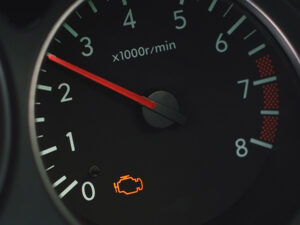
6. Your Check Engine Light Comes On
Your check engine light can illuminate when an exhaust-related problem affects your vehicle’s emissions or engine management systems.
For example, a leak near an oxygen sensor may interfere with exhaust gas readings and trigger a diagnostic trouble code. However, not every exhaust leak activates the warning light.
Because numerous mechanical issues can cause this warning, professional engine diagnostics are important. Identifying the underlying problem helps prevent unnecessary repairs.
7. You Notice Rust or Visible Exhaust Damage
Sometimes, physical damage provides the clearest indication of an exhaust problem. Rusted pipes, cracked connections, black soot around joints, or a hanging muffler can all suggest potential leaks.
Vehicles driven regularly on roads treated with winter salt may experience additional corrosion. Over time, weakened metal can develop holes that allow gases to escape, even before noticeable performance problems appear.
If you happen to notice visible exhaust damage, have a qualified mechanic inspect the system rather than attempting to locate or assess the leak yourself.
What Causes Exhaust Leaks?
Your exhaust system constantly experiences high temperatures, moisture, and vibrations. Over time, these conditions can weaken components and create openings where gases escape.
Some of the most common causes of exhaust leaks include:
- Rust and corrosion: Moisture and road salt gradually weaken metal components.
- Damaged gaskets: Repeated heating and cooling can cause seals to deteriorate.
- Road damage: Potholes and debris can crack or bend exhaust pipes.
- Loose connections: Engine vibration can weaken clamps, brackets, and joints.
- Aging components: Normal wear can eventually lead to cracks or holes.
Not every exhaust leak develops gradually. A sudden impact can cause immediate damage, while corrosion may take years to create an opening. Both situations can require professional repair, depending on which components are affected.
How to Know When Your Car Needs an Exhaust Leak Inspection
You don’t need to identify the exact source of an exhaust leak to know something might be wrong. Changes in your vehicle’s sound, performance, or exhaust odor can indicate a problem that needs professional attention.
While you can recognize these warning signs during everyday driving, a qualified auto mechanic should inspect your exhaust system to determine whether a leak is present.
Inform your mechanic if you notice any of these signs:
- Unusual noises: When the sound occurs and whether it changes during acceleration.
- Exhaust odors: Whether you’ve noticed fumes around or inside your vehicle.
- Performance changes: Any unusual hesitation, reduced power, or changes in fuel economy.
- Visible damage: Obvious corrosion or a loose exhaust component you happen to notice.
These observations can give your mechanic useful information, but they can’t confirm an exhaust leak or identify exactly where it’s coming from.
Leave Exhaust Leak Detection to a Professional
Exhaust components can reach extremely high temperatures, and escaping gases can create serious health risks. Trying to locate a leak yourself may expose you to hazards that aren’t immediately obvious.
A qualified technician has the equipment and training to examine your exhaust system, identify damaged components, and determine the appropriate repair.
If you’ve noticed potential exhaust leak symptoms, scheduling a professional inspection is the most reliable way to find out what’s wrong.
Is It Safe to Drive With an Exhaust Leak?
The risk of driving with an exhaust leak depends on its location and severity. Beyond the possibility of gases entering the passenger compartment, escaping hot exhaust can damage nearby wiring or other heat-sensitive components.
A leak may also affect emissions-system operation, while continued vibration and corrosion can enlarge existing cracks. Even if your vehicle seems to run normally, the underlying damage may worsen over time.
Because the location and severity of an exhaust leak aren’t always obvious, you shouldn’t assume it’s safe to continue driving simply because your vehicle seems to run normally. Have a qualified mechanic evaluate suspected exhaust problems promptly.
If you notice exhaust odors inside your vehicle, stop driving and arrange professional assistance. You shouldn’t continue operating the vehicle until the source of the problem has been identified and addressed.
How Much Does Exhaust Leak Repair Cost?
The cost of exhaust leak repair depends on your vehicle’s make and model, the location of the leak, and the extent of the damage. A straightforward gasket replacement may cost less than repairing a cracked exhaust manifold or replacing a severely corroded pipe.
The condition of surrounding components also matters. If corrosion has weakened multiple sections of your exhaust system, addressing only the most visible hole may not provide a lasting solution. That’s why an accurate inspection is necessary before determining the appropriate repairs.
Can a Small Exhaust Leak Be Repaired?
Some localized leaks can be corrected by replacing damaged gaskets, repairing joints, or addressing individual pipe sections.
However, heavily rusted components may need replacement because the surrounding metal is too weak to support a reliable repair. Temporary exhaust sealants aren’t suitable for every problem and shouldn’t substitute for a proper repair when safety is involved.
A qualified mechanic can determine whether the damaged component can be repaired or needs replacement. The recommended approach depends on the location of the leak, the condition of surrounding parts, and whether the repair will provide a reliable, lasting solution.
How Professional Exhaust Leak Diagnosis Works
When you bring your vehicle in for an exhaust concern, the first step is identifying where gases are escaping and whether other components have been affected.
A professional evaluation may involve:
- Visual inspection: Checking pipes, gaskets, joints, and other components for damage.
- Leak detection: Locating escaping gases using appropriate diagnostic methods.
- Engine diagnostics: Investigating relevant warning lights or performance concerns.
- Repair assessment: Determining which components need repair or replacement.
Owens 30 North Auto Repair provides professional exhaust system diagnostics and repair services. Our team can inspect components such as exhaust manifolds, mufflers, exhaust pipes, catalytic converters, and oxygen sensors to determine what’s causing the problem.
Our ASE-certified technicians can locate exhaust leaks, assess damaged components, and explain the recommended repairs. We’ll help you understand what needs attention so you can make an informed decision about your vehicle.
How to Prevent Exhaust System Problems
Although normal wear can’t be eliminated, routine maintenance can help you catch developing exhaust problems before they become more serious.
A few preventive habits can make a difference:
- Address unfamiliar noises
- Avoid road hazards
- Remove road salt
- Schedule regular inspections
The CDC recommends having your vehicle’s exhaust system inspected by a mechanic every year because even a small leak can allow carbon monoxide to accumulate inside. These inspections also provide an opportunity to identify corrosion and worn connections before they lead to more extensive repairs.
Schedule an Exhaust Leak Inspection With Owens 30 North Auto Repair
Recognizing the signs of an exhaust leak can help you address mechanical problems before they require more extensive repairs. Whether you’ve noticed unusual engine noises, poor acceleration, or changes in fuel efficiency, identifying the cause is the first step toward getting your vehicle running properly.
Owens 30 North Auto Repair is here to help you find answers. Our team can inspect your exhaust system, explain what needs attention, and recommend appropriate repairs based on your vehicle’s condition.
Don’t put off an exhaust problem. Contact Owens 30 North Auto Repair to schedule an inspection and get your vehicle checked by our team.